November 17, 2026
8 Pro Tips for Wholesaling Kitchen Knives from China
By Kay Chan|8 min read
Whether you are adding a few new products to an existing collection or developing a private-label kitchenware range, it helps to know what to look for before placing an order.
China is a popular sourcing destination for businesses looking to buy kitchen knives in bulk. Importers, wholesalers and retailers can explore a wide range of products, materials and customisation options, but finding the right supplier takes more than comparing prices.
Whether you are adding a few new products to an existing collection or developing a private-label kitchenware range, it helps to know what to look for before placing an order. Here are eight things worth considering when sourcing kitchen knives and cutting tools from China.
1. Start With the Knives Your Customers Actually Need
It is tempting to order a wide selection of knife styles, particularly when a manufacturer has an extensive catalogue. But not every product will suit every market. A retailer selling everyday kitchen essentials, for instance, may have more demand for chef and utility knives than specialised professional models.
Some of the more common options to consider are:
- Chef knives: A versatile choice for chopping, slicing and general food preparation.
- Nakiri knives: Japanese-style knives with a straight-edged blade, primarily used for cutting vegetables.
- Steak knives: Designed for cutting cooked meat and often sold in matching sets.
- Utility knives: Useful for smaller, everyday cutting tasks.
- Paring knives: Small knives suited to peeling, trimming and detailed preparation.
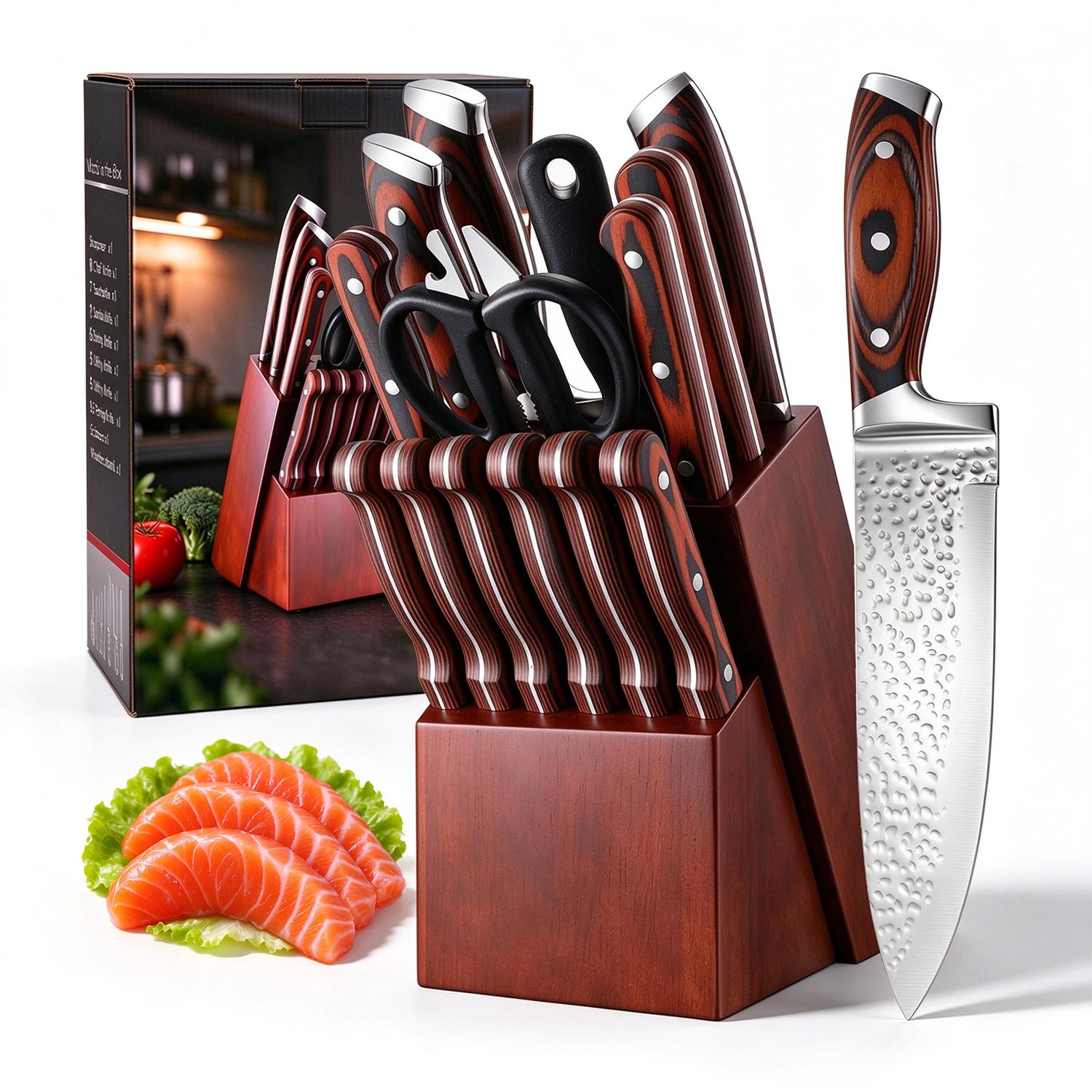
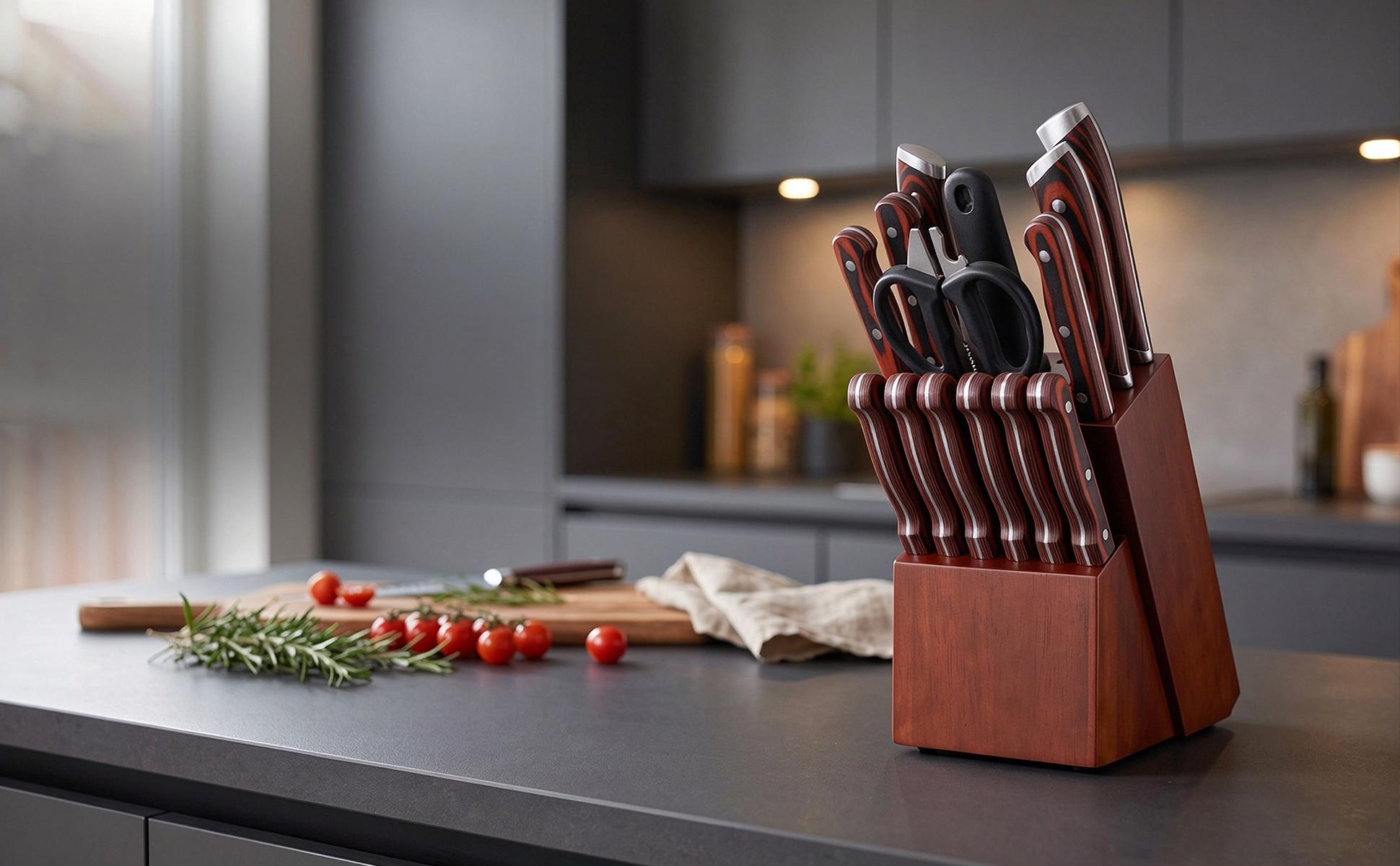
Unitedpeople's Cutlery & Knives collection includes chef, Nakiri and steak knife options. Buyers can use these categories as a starting point when deciding which products belong in their wholesale range.
2. Don't Judge a Knife by Its Material Name Alone
Unitedpeople's knife range includes different blade materials depending on the model. Its 8-inch chef knife uses 5Cr15MoV steel, while its Nakiri knife features a 3Cr13MoV blade. The collection also includes high-carbon stainless steel options and Damascus-pattern finishes on selected models. Handle materials vary too, with options including pakkawood, ABS and stainless steel.
When speaking to a manufacturer, ask for the specific steel grade rather than settling for a general description. It is also worth checking the blade thickness, edge geometry and corrosion resistance. These details help you compare products more meaningfully.
The handle deserves just as much attention. A poorly finished or uncomfortable handle can affect the overall experience, even when the blade itself is well made. Check the material, grip, attachment and balance of the knife.
3. Compare the Product Range Before Choosing a Supplier
When sourcing knives in bulk, it helps to look at the manufacturer's full range rather than focusing on just one or two products. This gives buyers a better idea of what they can source from the same supplier and whether the available styles fit their customers' needs.
For example, a kitchenware retailer might stock chef knives for everyday use, add Nakiri knives for customers who regularly prepare vegetables, and include steak knives as another option.
Unitedpeople's knife catalogue includes several options worth considering:
Product | Key material/detail | Listed MOQ |
|---|---|---|
5Cr15MoV steel, pakkawood handle | 200 pieces | |
3Cr13MoV blade, stainless steel handle | 200 pieces | |
High-carbon stainless steel blade, ABS handle, full tang | 1,000 pieces | |
5Cr13MoV Stainless Steel Blades, Pakkawood Handles, Solid Wood Block | 200 pieces |
The minimum quantities differ quite a bit between these products. This is worth checking when deciding which knives to include in an order, particularly if you are introducing several styles at once. Confirm the latest specifications, prices and availability with the manufacturer before placing your order.
4. Get Your Hands on Samples Before Ordering in Bulk
Ordering hundreds of knives without seeing the actual product first can be a risk. Product photographs may show the design clearly, but they won't tell you whether the handle feels comfortable, how the knife is balanced or how well the blade is finished.
Ask the manufacturer for samples and take the time to examine these details. Check the handle attachment, blade finish and overall construction, and make sure the sample matches the specifications discussed with the supplier. If the knives are intended for professional kitchens, it is also worth assessing how they perform during regular food preparation.
Before production begins, discuss how the finished products will be checked. Ask which aspects are inspected and how the manufacturer deals with products that do not meet the agreed requirements.
UNIPEO states that its knife orders undergo hardness and edge-geometry checks before packing. Its wider manufacturing quality procedures also include material verification, in-process inspections, final quality checks and packaging reviews before shipment.
5. Make Use of OEM and Private-Label Manufacturing
Not every wholesaler wants to sell knives under an existing manufacturer's brand. If you have your own kitchenware brand, OEM and private-label manufacturing give you the option to put your name on the products and make certain design choices to suit your range.
Depending on the model and the level of customisation required, available options may include:
- Logo engraving or etching on the blade.
- Different handle colours and materials.
- Changes to blade shapes and designs.
- Branded retail boxes or gift packaging.
- Custom labels and other packaging details.
Unitedpeople offers OEM and ODM services for its kitchenware products. For its knife range, buyers can enquire about blade engraving, handle printing or embossing, and selected design modifications.
The order quantities depend on how much customisation is involved. Stock knives with logo customisation have a listed MOQ starting at 200 pieces. If you want a new blade shape or handle tooling, the requirements are different, with a typical MOQ of 500–1,000 pieces per SKU. These options are quoted separately.
It is worth discussing your design requirements with the manufacturer before settling on a quantity. This will give you a clearer picture of the tooling costs and the order size needed to make the project workable.
6. Ask About Quality Checks and Relevant Certifications
A manufacturer's quality claims should be supported by clear processes and documentation. Before placing an order, find out how raw materials are checked, what inspections take place during production and how finished knives are assessed.
Certifications can also help buyers understand a supplier's quality management and compliance arrangements. However, it is important to know what each document actually covers.
UNIPEO operates an ISO 9001:2015-certified quality management system. Its compliance documentation also includes FDA food-contact testing reports, LFGB testing for selected products, REACH support and an amfori BSCI social compliance audit. The company also provides EU food-contact documentation under Regulation (EC) 1935/2004, with product-specific testing where applicable.
These documents are not interchangeable, and they do not necessarily apply to every product. ISO 9001 covers the quality management system, while food-contact testing and compliance documentation relate to specific materials and product requirements. Buyers should request the relevant certificates and test reports for their chosen knife models and destination markets.
7. Sort Out Order Quantities and Packaging Early
MOQ is one of the first things to check when discussing a wholesale order. A manufacturer may have different minimum quantities for different knife styles, and adding custom branding or changing the design can affect those requirements. Make sure you have these details before deciding which products to order.
Packaging needs a little attention too. A retailer selling individual knives may need separate product boxes, while a business ordering knife sets might prefer branded gift packaging. Distributors buying larger quantities may have different requirements altogether.
UNIPEO offers custom packaging and private-label branding for its kitchenware range. The available options and minimum order quantities depend on the product and the work involved. Discuss the packaging design, labelling requirements and associated costs with the team before confirming production. It is also sensible to agree on the production schedule so you can plan your inventory accordingly.
8. Look Beyond the Initial Order When Choosing a Manufacturer
A good supplier relationship involves more than producing the products you have ordered. Consistent communication, clear specifications, quality checks and export arrangements all matter, particularly when you plan to place repeat orders.
It is worth looking at the manufacturer's wider experience and production capabilities rather than making a decision based on one product alone.
Based in Yangjiang, Guangdong, China, UNIPEO has been manufacturing kitchenware since 2014. The company brings product development, manufacturing and export operations together and serves importers, distributors and retailers in more than 50 countries.
Its catalogue also extends beyond knives to kitchen utensils, kitchen gadgets, flatware and dinnerware, bakeware and barware. For buyers planning to expand their kitchenware collections over time, having access to these additional categories can be useful.
Final Thoughts
There is quite a bit to consider before placing a wholesale kitchen knife order. The type of steel, blade construction, handle finish and minimum order quantity all deserve attention, especially when you are buying products for resale. Getting samples and agreeing on quality requirements beforehand can also help avoid problems once production is underway.
For businesses looking for a kitchen knife manufacturer in China, UNIPEO offers a selection of chef, Nakiri and steak knives, alongside OEM and ODM services and private-label customisation. With manufacturing operations in Yangjiang and experience supplying international buyers, the company is worth considering for wholesalers looking to develop or expand their kitchenware range.
Take a look at the Unitedpeople Cutlery & Knives collection or contact the team to discuss available products, order quantities and customisation options.
Share this article
Help others discover this insight.
Related Reading
View all articles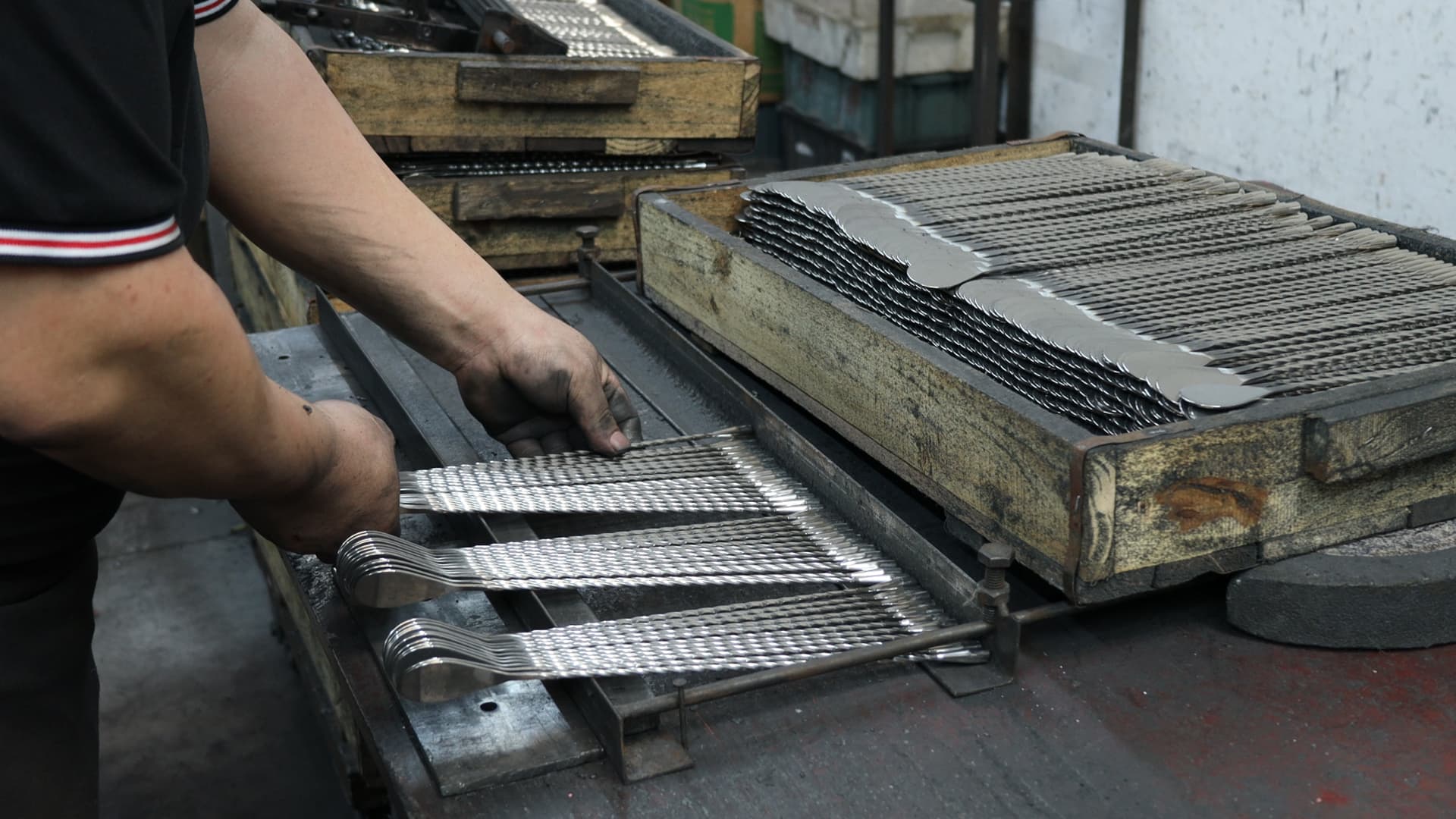
Sep 17, 2026
Factory-Direct vs. Trading Company: Which Is Better for Kitchenware Buyers?
When sourcing kitchenware for your business, one of the first decisions you'll face is whether to buy directly from a manufacturer or work through a trading company. While both options can help you source products, they differ significantly in pricing, customization, quality control, communication, and long-term value.
Read more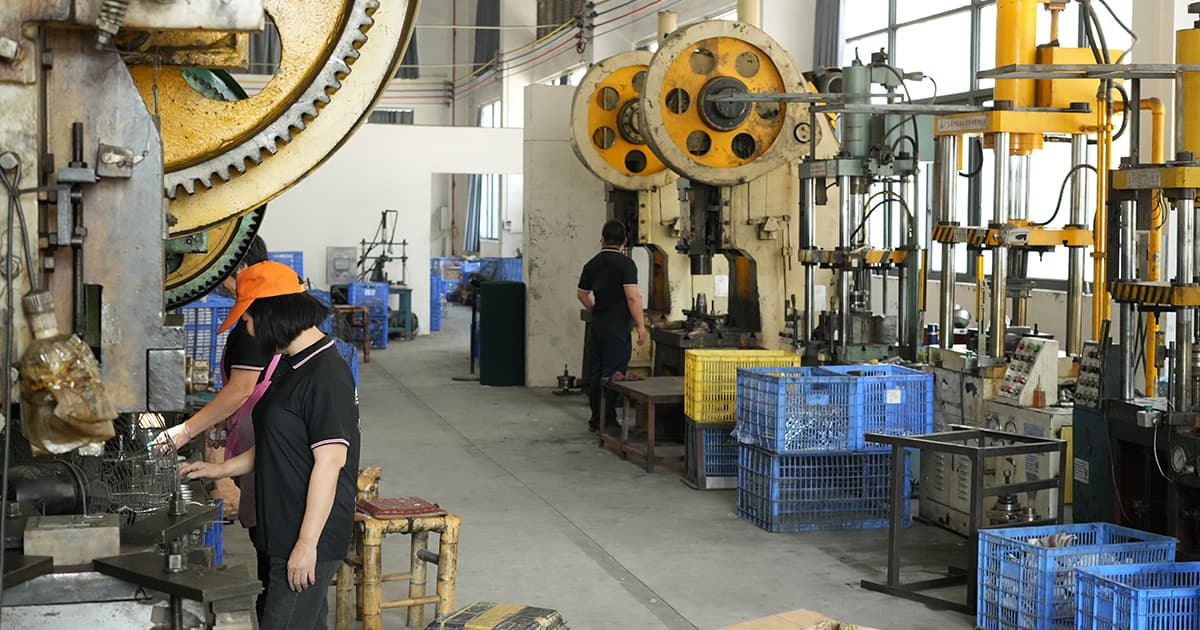
Jul 31, 2026
How to Source Kitchenware from China: 2026 Importer's Guide
Work directly with Yangjiang manufacturers — the cluster behind 75% of China's cutlery output — to cut sourcing costs 15–30% and lead time by 2–3 weeks. Full guide with MOQ, QC and certification steps.
Read more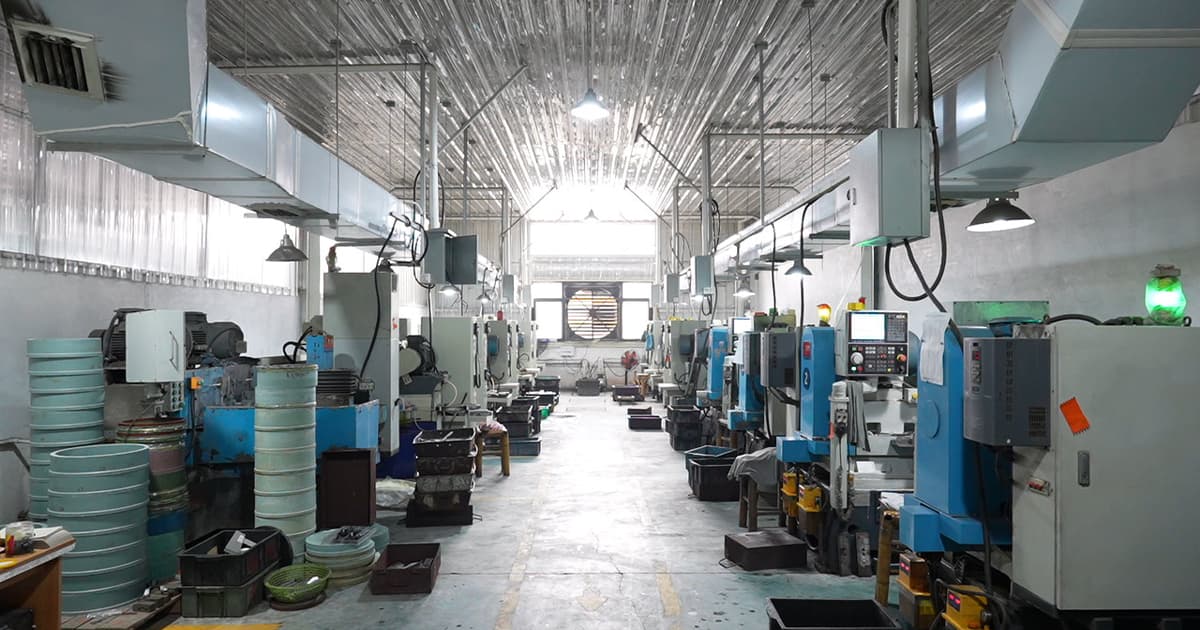
Jun 9, 2026
How to Choose a Reliable Kitchenware Manufacturer in China
Learn how to choose a reliable kitchenware manufacturer in China with our 7-step 2026 guide. Avoid costly defects, verify LFGB/FDA certifications, negotiate low MOQs, and get a free supplier checklist.
Read moreRelated Products
View all products