September 17, 2026
Factory-Direct vs. Trading Company: Which Is Better for Kitchenware Buyers?
When sourcing kitchenware for your business, one of the first decisions you'll face is whether to buy directly from a manufacturer or work through a trading company. While both options can help you source products, they differ significantly in pricing, customization, quality control, communication, and long-term value.
When sourcing kitchenware for your business, one of the first decisions you'll face is whether to buy directly from a manufacturer or work through a trading company. While both options can help you source products, they differ significantly in pricing, customization, quality control, communication, and long-term value.
Whether you're a wholesaler, importer, distributor, retailer, or building your own private-label brand, understanding these differences can help you choose the right sourcing partner.
At Unitedpeople, we believe informed buyers make better purchasing decisions. Here's what you need to know before placing your next kitchenware order.
Understanding the Difference
Before comparing the two, it's important to understand what each supplier actually does.
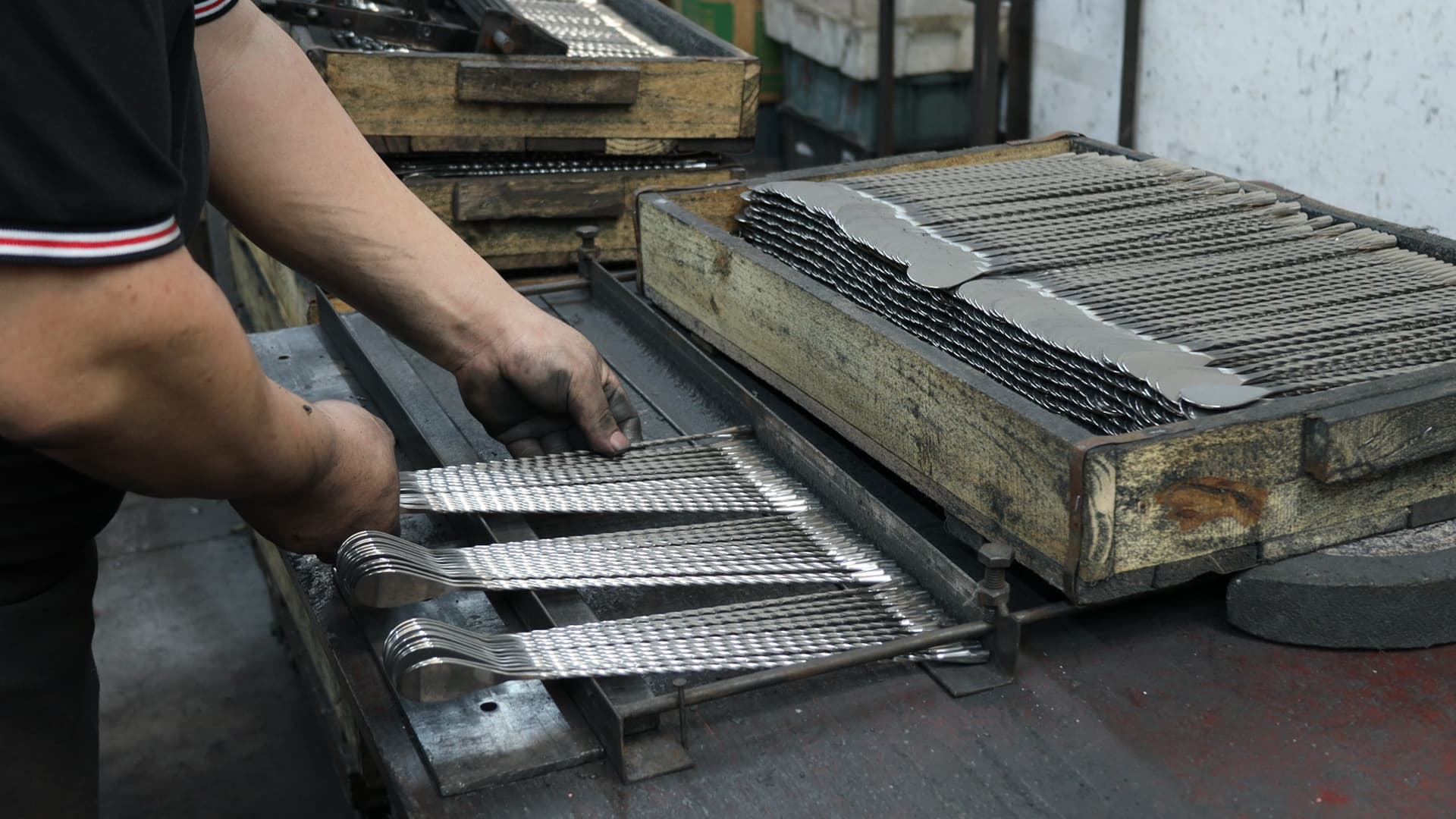
A factory-direct manufacturer owns or operates the production facility where products are designed, manufactured, inspected, and packaged. The buyer communicates directly with the company responsible for making the products.
A trading company, on the other hand, doesn't manufacture products itself. Instead, it purchases products from different factories and resells them to buyers. It acts as the middleman between manufacturers and customers.
Both models have their place in international trade, but they serve different business needs.
Why Your Choice Matters
Your supplier affects more than the price you pay.
They affect:
- Product quality
- Manufacturing consistency
- Lead times
- Customization possibilities
- Communication efficiency
- After-sales support
- Long-term supply chain reliability
Choosing the wrong partner can cause inconsistent products, delayed shipments, or unnecessary costs. That's why many experienced buyers evaluate suppliers carefully before placing large orders.
Factory-Direct Manufacturing: How It Works
When working directly with a manufacturer like Unitedpeople, your project moves through one organization from beginning to end.
The same team can discuss your requirements, recommend suitable materials, oversee production, perform quality inspections, and coordinate shipping documentation.
This streamlined process reduces unnecessary communication and gives buyers greater visibility throughout production.
For businesses purchasing kitchen utensils, cutlery, bakeware, barware, flatware, or kitchen gadgets, working directly with the factory often creates a stronger and more transparent business relationship.
Trading Companies: How They Operate
Trading companies build a network of manufacturers and purchase products on customer request.
They do not own factories but instead coordinate production with various suppliers depending on the product category .
For instance, one factory might make stainless steel cutlery, and another silicone kitchen utensils. The trading company bundles these goods into one order and delivers this to the customer.
This sourcing model can be convenient for buyers looking for many unrelated product categories without having to contact multiple factories themselves.
But the existence of a third party between buyer and manufacturer can make communication and production control more difficult.
Price Comparison
Price is a big consideration for most wholesale buyers.
Factory-direct manufacturers usually offer more competitive prices as there are no extra trading commissions. Buyers deal directly with the source of production, helping to reduce unnecessary costs over time.
Trading companies typically add their own service fees to cover the costs of sourcing, coordination and administration. These services are useful in some cases but often increase the price of the final product.
For businesses that are bulk buying or repeat orders , even small price differences can hugely impact overall profitability .
Product Customization
Customization has become increasingly important as businesses invest in private-label products.
Manufacturers typically provide greater flexibility because they control production.
Common customization options include:
- Custom logos
- Product dimensions
- Material selection
- Surface finishes
- Color options
- Retail packaging
- Gift boxes
- Barcode labeling
- Instruction manuals
Because manufacturers work directly with production equipment, they can often evaluate custom requests more efficiently.
Trading companies must first discuss these requirements with the factory, which may add additional communication steps before decisions are made.
Quality Control
Product quality directly impacts customer satisfaction and brand reputation.
Manufacturers oversee production from raw materials to finished goods. This allows quality inspections to be integrated throughout the manufacturing process rather than only at the end.
Typical quality procedures may include:
- Raw material inspection
- Production monitoring
- Dimension verification
- Surface finish inspection
- Functional testing
- Final packaging inspection
Working directly with the factory also allows buyers to discuss quality expectations before production begins.
With trading companies, quality management depends on the relationship between the trading company and its manufacturing partners.
Although many trading companies conduct inspections, they generally have less direct control over factory operations.
Communication Efficiency
Open communication is required when sourcing internationally.
Questions about tooling, production schedules, product specifications or packaging usually require technical knowledge.
When buyers contact manufacturers directly, they often hear from teams that understand the manufacturing process.
That cuts down misunderstandings and helps projects to move forward better."
Trading companies have to often pass the technical questions back and forth between buyers and factories which can add to reaction times and sometimes cause communication breakdowns.
Greater Supply Chain Transparency
Today, consumers are interested in the provenance of products.
Factory direct manufacturing gives you more visibility into the manufacturing capabilities, manufacturing standards, certifications and quality systems.
That kind of visibility allows buyers to forge better relationships with their suppliers and manage sourcing risk.
It also simplifies understanding production capacity, lead times and future planning when dealing directly with a manufacturer.
Which Option Is Better for OEM & Private Label?
If you’re looking to start your own brand of kitchenware, factory-direct manufacturing is usually the better choice.
In the course of production, manufacturers can work together with you to develop products, suggest materials, improve product designs, build molds and meet your branding requirements.
This type of collaboration is especially valuable in developing exclusive products that differentiate your business from the competition.
Final Thoughts
Global sourcing includes both trading companies and factory-direct manufacturers. The right solution will depend on your buying goals, order volume, product requirements and business strategy.
If competitive pricing, more customization, transparent interaction and direct access to the people who are making your products are important to you, then working with a factory direct manufacturer is often the better long-term investment.
Whether you are launching a new private-label line, expanding your wholesale business or sourcing commercial kitchenware for international markets, finding the right manufacturing partner can make all the difference.
Unitedpeople is committed to quality products, reliable manufacturing solutions and professional support to help your business succeed in today’s competitive marketplace.