Kay Chan is the export lead at Unitedpeople, a kitchenware manufacturer in Yangjiang, China — one of China's largest cutlery and kitchenware clusters. He works with importers, distributors and private-label brands across cutlery, flatware, barware, utensils and bakeware, from the first sample through to the export carton.
Much of his work is turning a buyer's brief into a manufacturable specification: which stainless grade fits the price point, where 304 stops making sense and 201 starts, how a logo or handle color changes the MOQ, and what a realistic sampling and production timeline looks like. He writes about those decisions here — OEM vs ODM, 304 vs 201, factory-direct sourcing and how to audit a supplier — because most sourcing mistakes are made before the first order is placed.
He has worked with buyers in more than 50 countries. For a sourcing question, contact the team directly.
Articles by Kay Chan
Nov 17, 2026
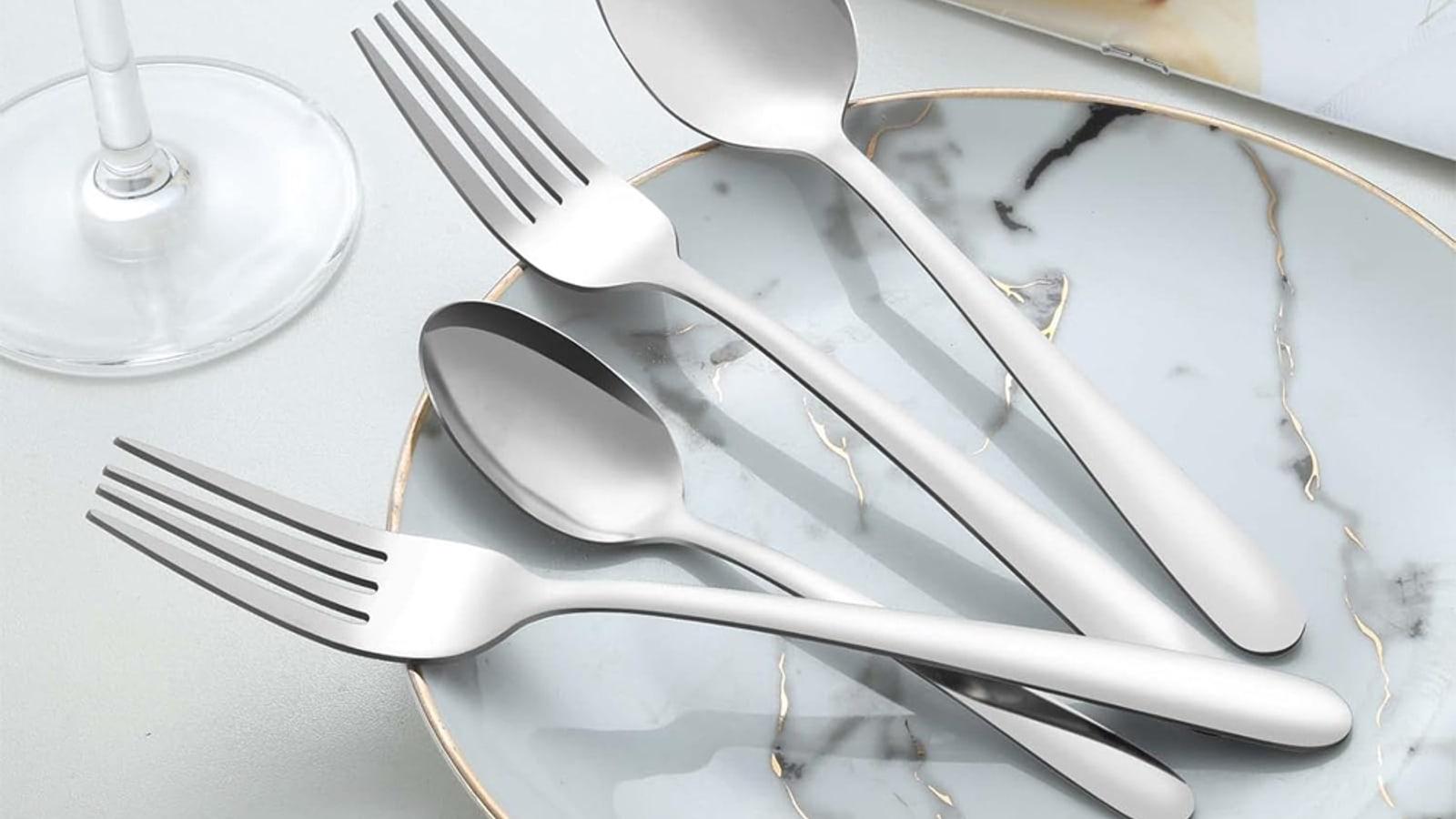
Stainless Steel Cutlery Quality: What Buyers Should Look for Before Purchasing
The type of steel, thickness, weight and finish can all make a difference, especially when the cutlery is used regularly.
Read more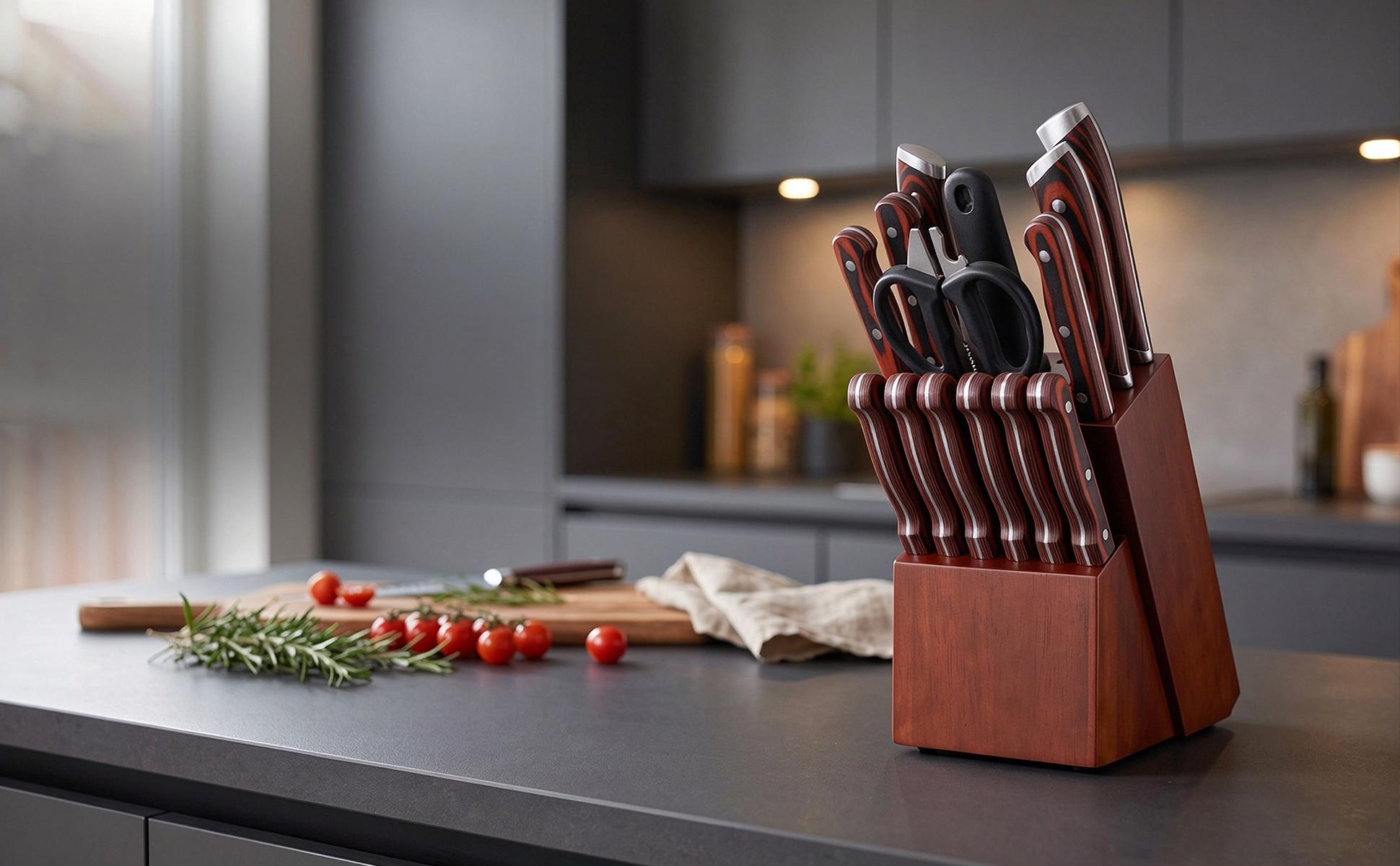
Nov 17, 2026
8 Pro Tips for Wholesaling Kitchen Knives from China
Whether you are adding a few new products to an existing collection or developing a private-label kitchenware range, it helps to know what to look for before placing an order.
Read more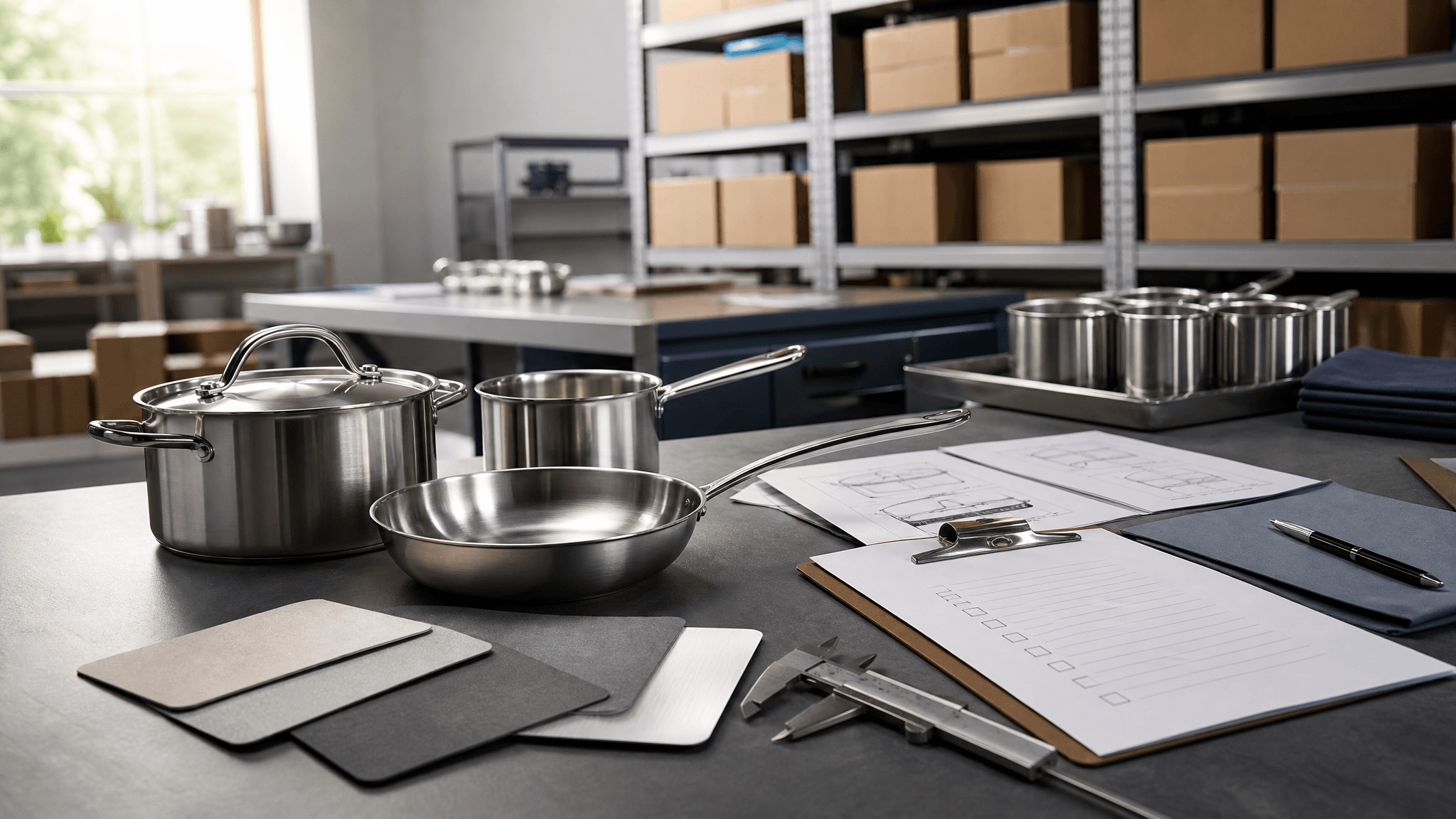
Nov 7, 2026
How to Evaluate Kitchenware OEM Supplier Performance for Long-Term Supply
Kitchenware supplier performance evaluation after the first order: repeat-order quality, OTIF delivery, corrective actions, compliance, and supply stability.
Read more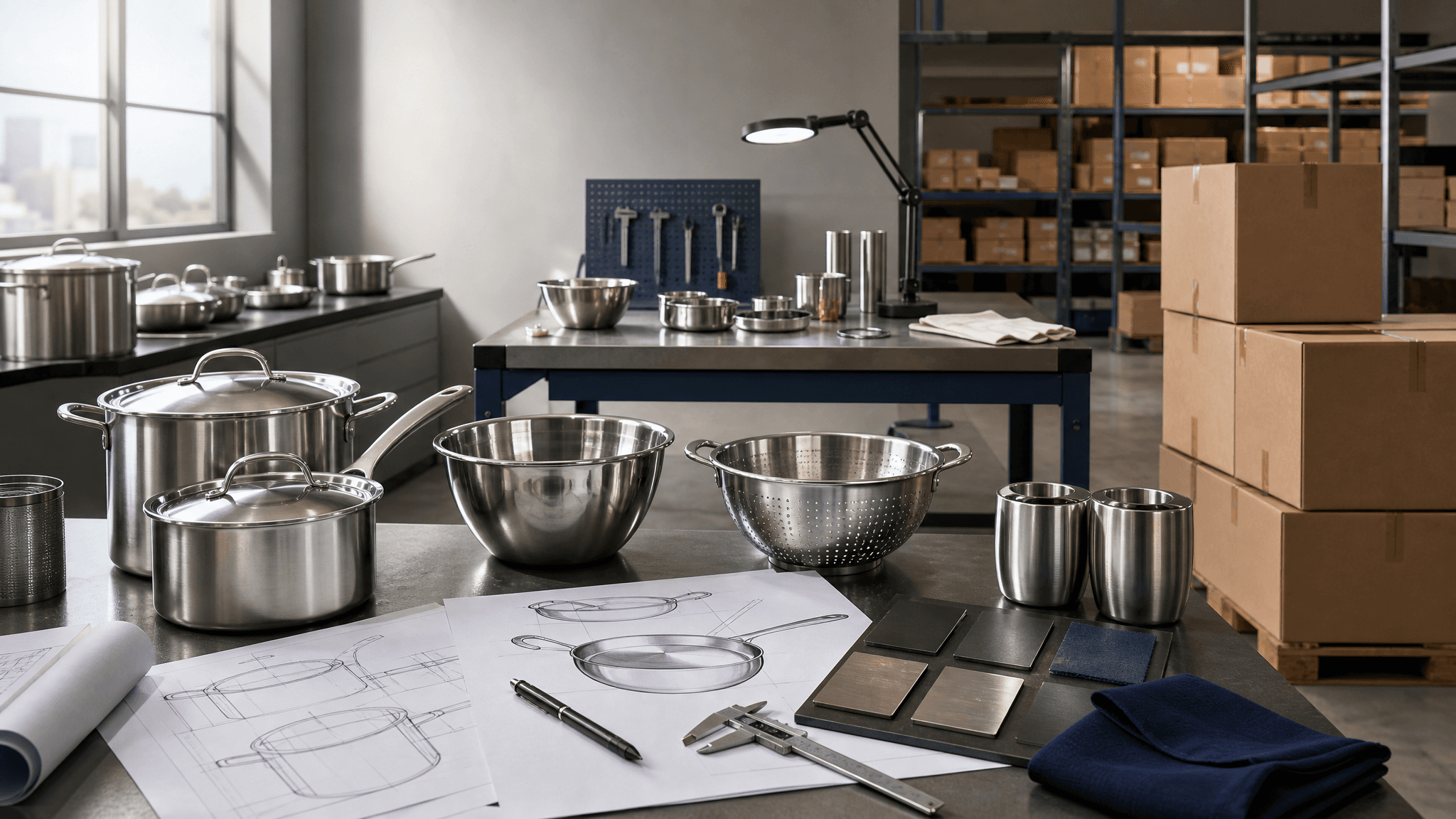
Oct 22, 2026
How Integrated OEM Manufacturing Supports Kitchenware Sourcing
Why kitchenware buyers should evaluate the whole sourcing workflow, not unit price: development, quality, compliance and export in one OEM partner.
Read more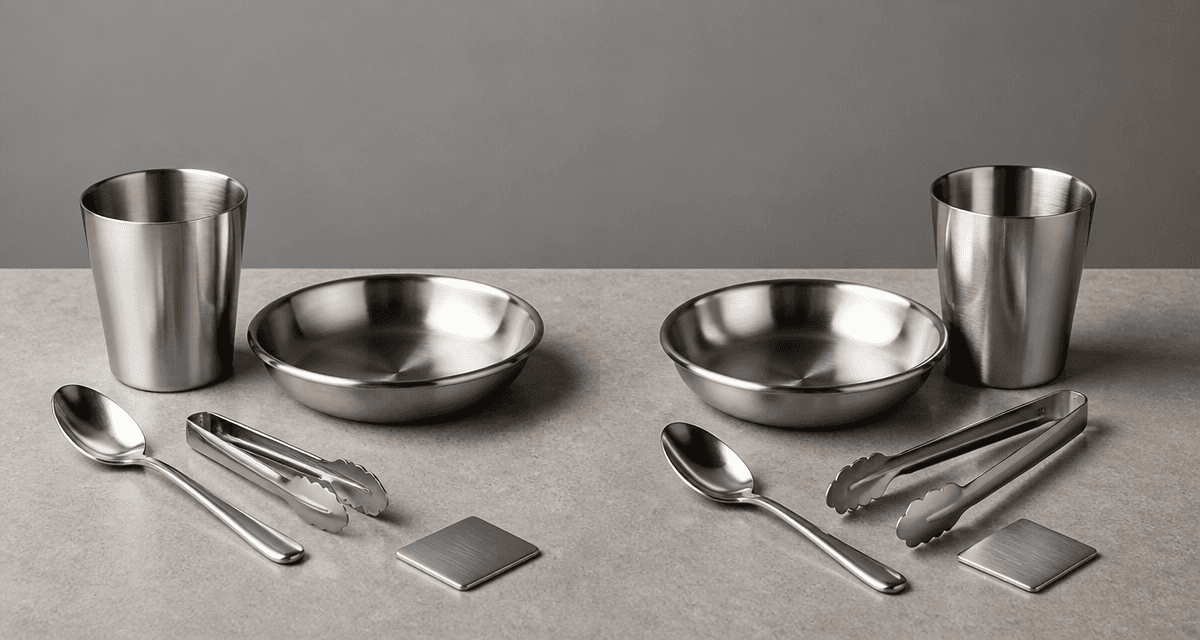
Oct 12, 2026
304 vs 201 Stainless Steel Kitchenware: A Buyer’s Guide
Choosing between 304 and 201 stainless steel affects corrosion resistance, product lifespan, compliance, and cost. This buyer’s guide explains where each grade fits, how to verify materials, and what to include in an OEM kitchenware specification.
Read more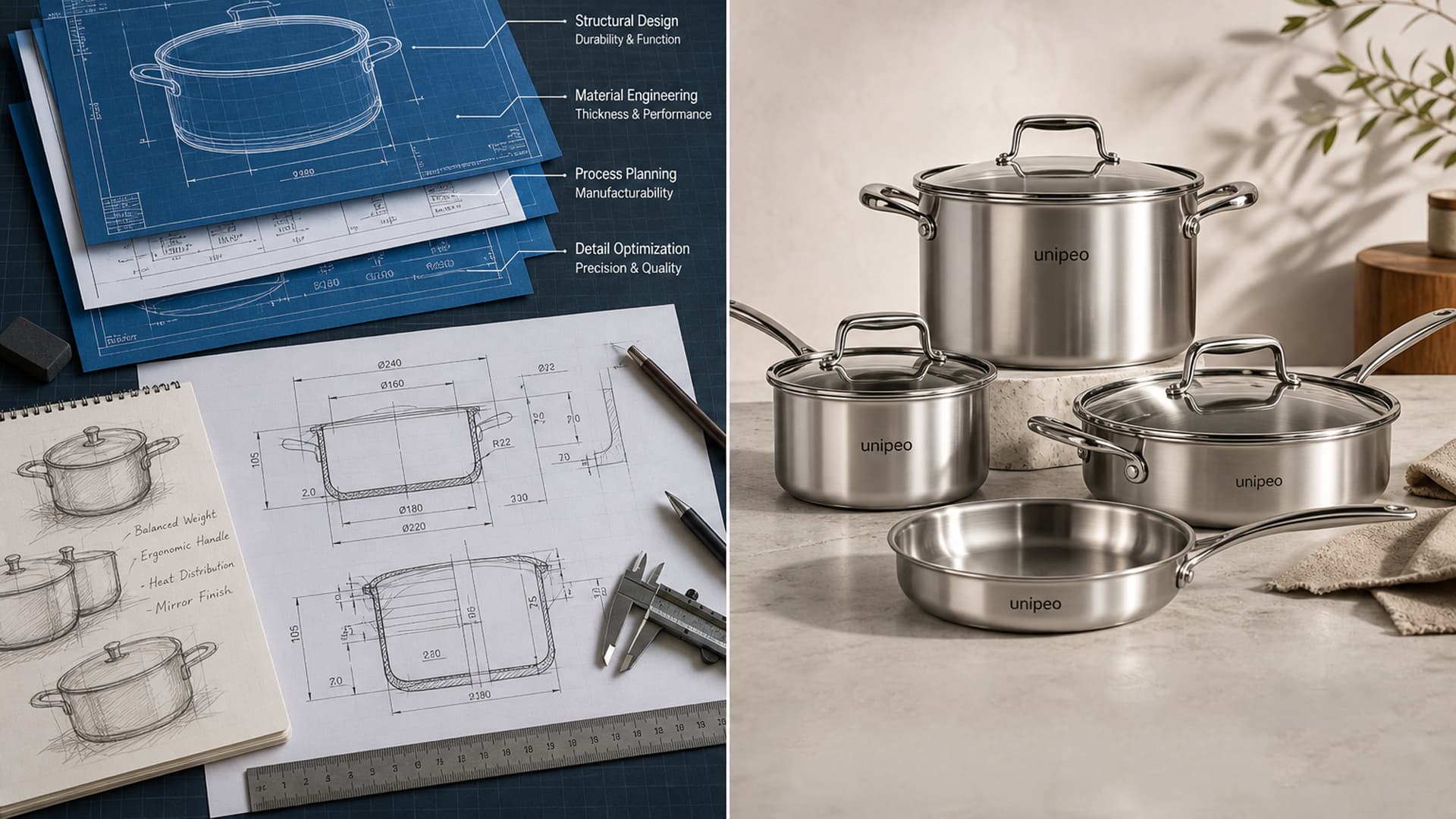
Sep 17, 2026
OEM vs. ODM Kitchenware: What's the Difference?
Launching or expanding a kitchenware brand involves more than choosing the right products. One of the most important decisions you'll make is choosing the right manufacturing model. Two terms you'll encounter frequently are OEM (Original Equipment Manufacturer) and ODM (Original Design Manufacturer). Although they sound similar, they offer very different approaches to product development, customization, investment, and branding.
Read more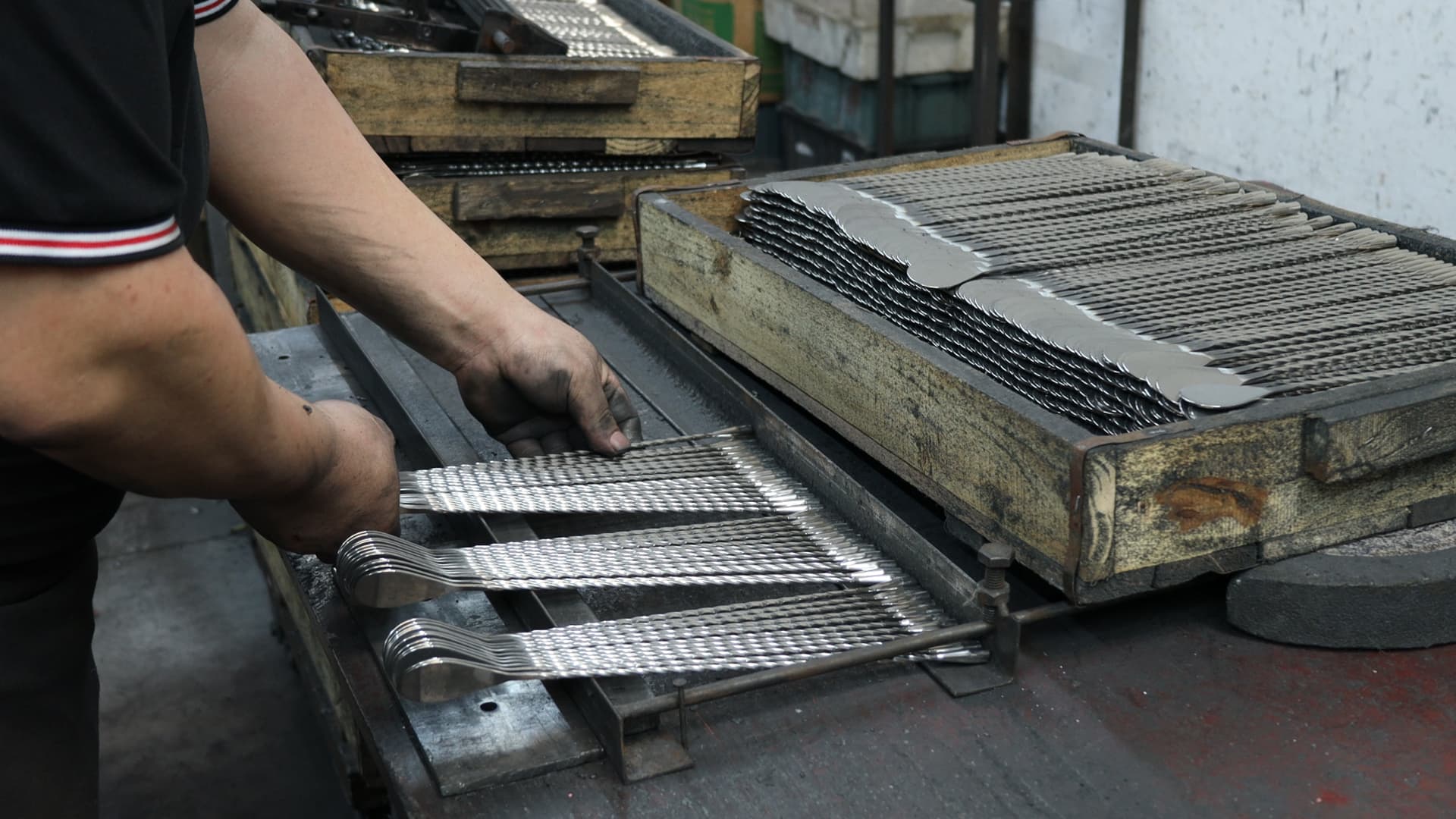
Sep 17, 2026
Factory-Direct vs. Trading Company: Which Is Better for Kitchenware Buyers?
When sourcing kitchenware for your business, one of the first decisions you'll face is whether to buy directly from a manufacturer or work through a trading company. While both options can help you source products, they differ significantly in pricing, customization, quality control, communication, and long-term value.
Read more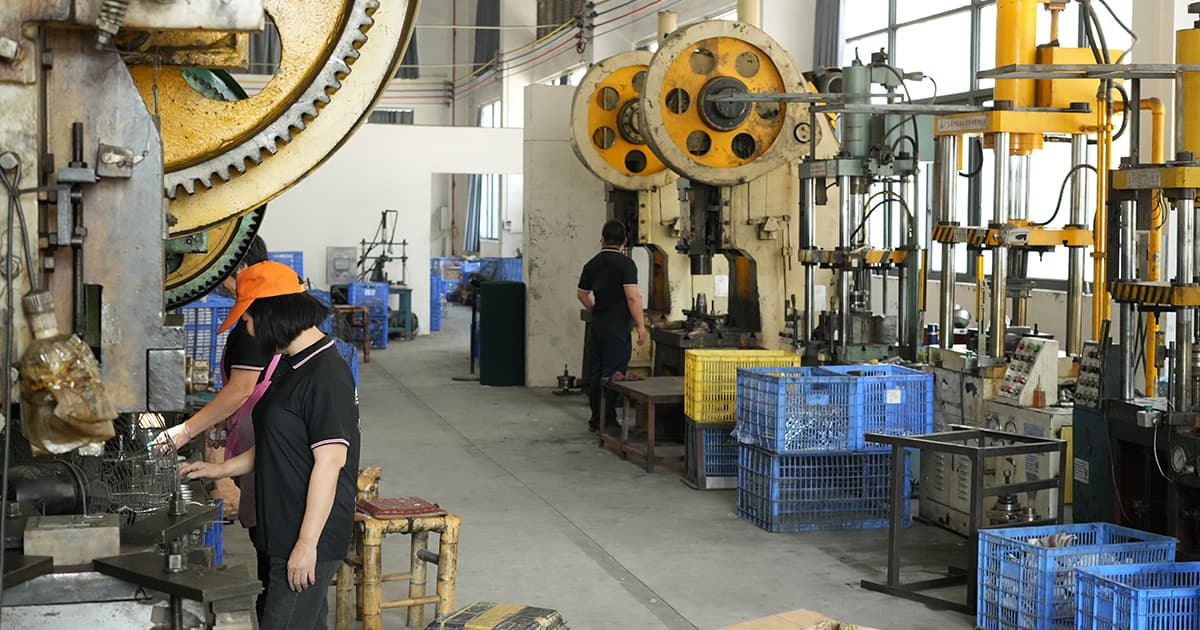
Jul 31, 2026
How to Source Kitchenware from China: 2026 Importer's Guide
Work directly with Yangjiang manufacturers — the cluster behind 75% of China's cutlery output — to cut sourcing costs 15–30% and lead time by 2–3 weeks. Full guide with MOQ, QC and certification steps.
Read more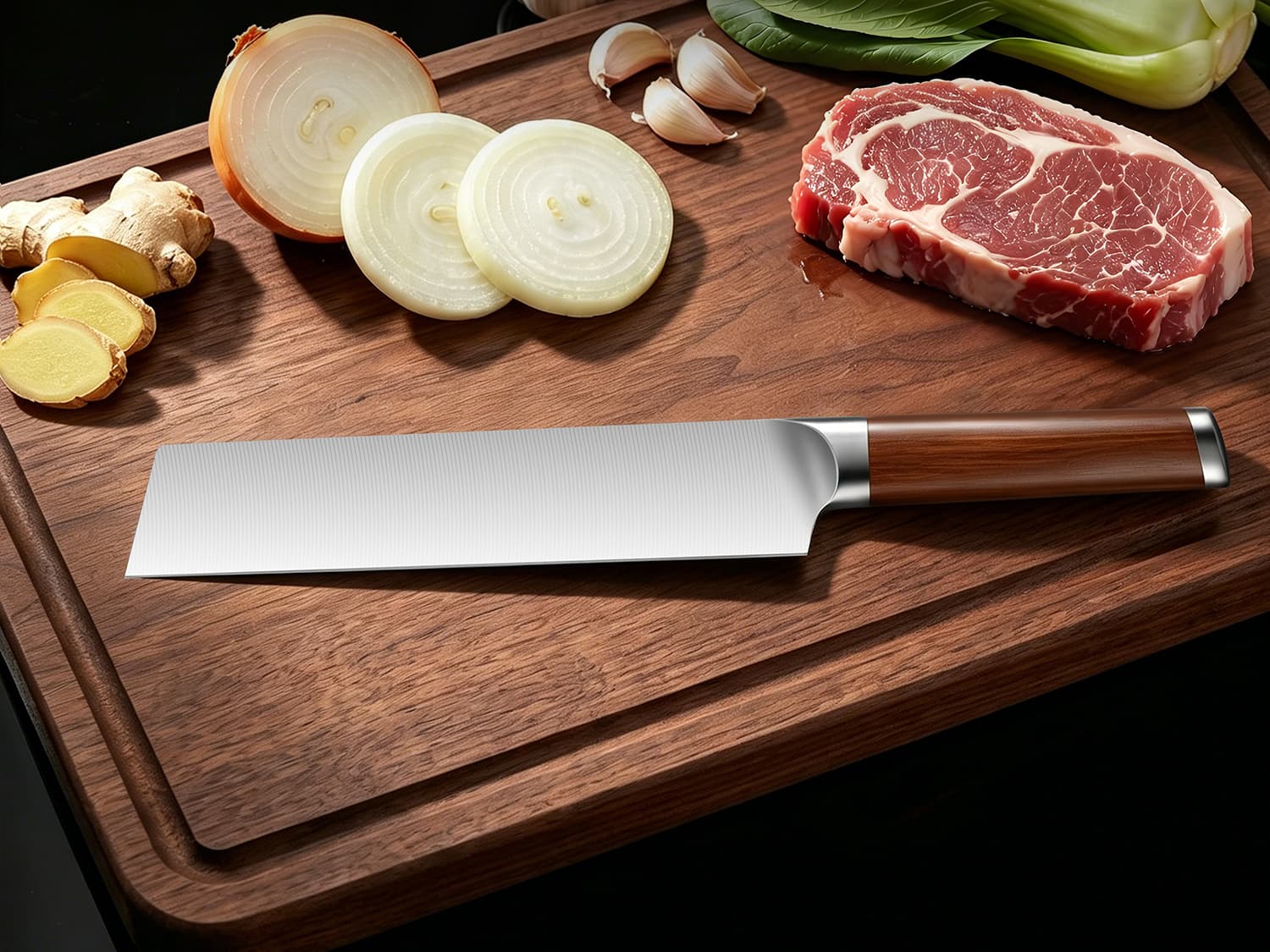
Jun 20, 2026
The 2026 Kitchenware Trend: Why Nakiri Knives are the Next High-Margin Bestseller for Amazon Sellers
Expand your product catalog with the trending Nakiri knife. Discover why professional buyers and Amazon sellers are prioritizing this Japanese-style vegetable specialist for high-profit margins, premium OEM potential, and commercial-grade durability. Learn how to leverage this specialized SKU to differentiate your kitchenware brand in a crowded market.
Read more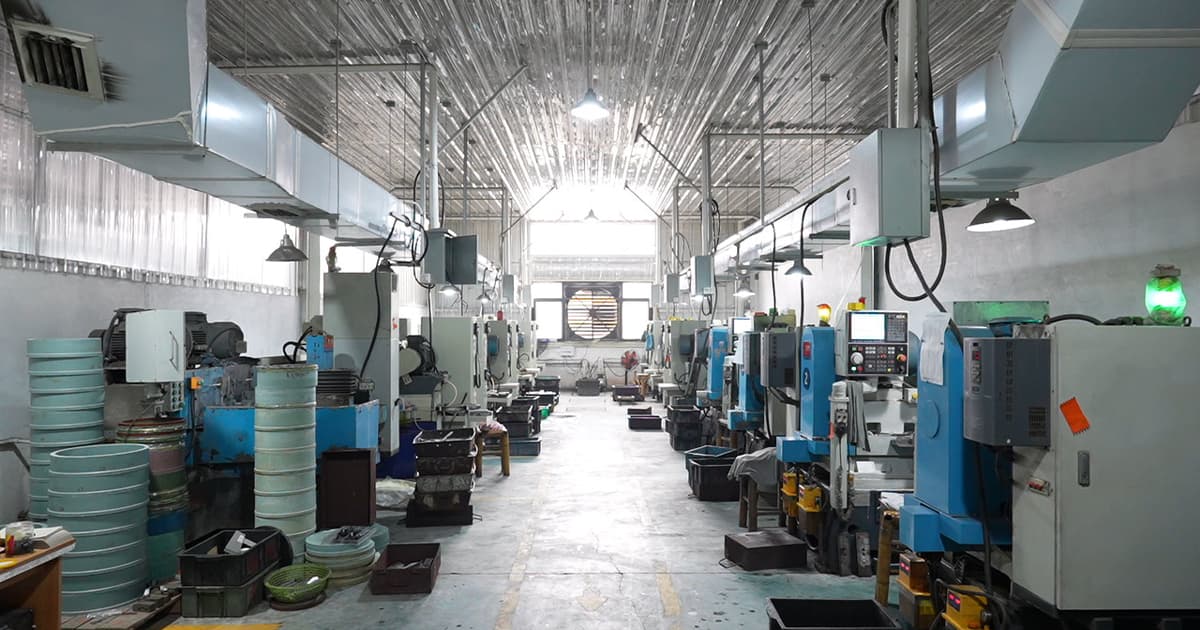
Jun 9, 2026
How to Choose a Reliable Kitchenware Manufacturer in China
Learn how to choose a reliable kitchenware manufacturer in China with our 7-step 2026 guide. Avoid costly defects, verify LFGB/FDA certifications, negotiate low MOQs, and get a free supplier checklist.
Read more