October 22, 2026
How Integrated OEM Manufacturing Supports Kitchenware Sourcing
By Kay Chan|9 min read
Why kitchenware buyers should evaluate the whole sourcing workflow, not unit price: development, quality, compliance and export in one OEM partner.
For importers, distributors, retailers, hospitality suppliers, and private-label brands, kitchenware sourcing is no longer only a question of comparing unit prices. Buyers also need to coordinate product selection, materials, customization, quality control, packaging, documentation, and export requirements.
That is why an integrated OEM manufacturing model can be useful for B2B kitchenware projects. When several parts of the process are managed through one manufacturing partner, buyers can work from a more consistent specification and reduce the number of separate production conversations.
This industry insight explains how an integrated kitchenware manufacturer can support the sourcing process, what buyers should evaluate, and how product range, OEM capability, quality management, and compliance documentation fit together.
What Is Integrated OEM Kitchenware Manufacturing?
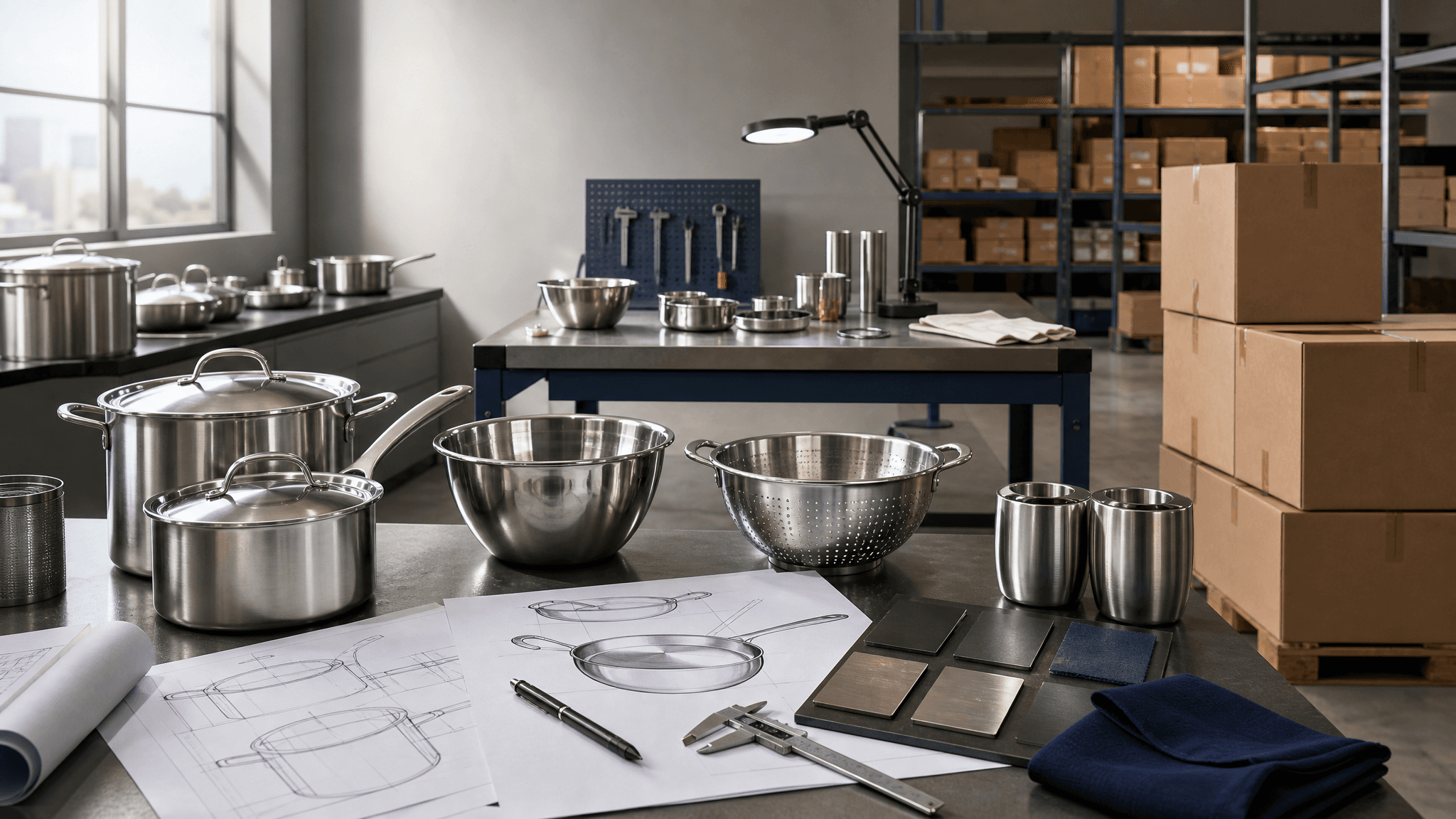
Integrated OEM kitchenware manufacturing combines product development, production, quality inspection, customization, packaging, and export support within one coordinated supply relationship. The exact scope depends on the supplier and the project, but the purpose is to give the buyer one clearer point of contact for multiple manufacturing requirements.
For a kitchenware project, the process may include:
- Product selection or product development from drawings, samples, or specifications.
- Material and construction discussions.
- Tooling and production preparation.
- Manufacturing and in-process quality inspection.
- Logo engraving, private-label branding, or other product customization.
- Custom packaging and labeling.
- Product-specific documentation and compliance support.
- Export coordination and shipping-term discussions.
Unitedpeople describes its business as integrating R&D, production, and export. Its website also states that it supports OEM and ODM customization across product lines. This model is relevant to buyers who need more than a standard catalog item and want to build a coordinated product range.
Why B2B Buyers Are Looking Beyond Unit Price
A low unit price does not explain the complete cost or risk of a kitchenware project. Buyers also need to consider how many suppliers must be coordinated, whether product specifications remain consistent, and whether the documentation matches the final product.
An integrated manufacturing relationship can help buyers review several commercial factors together:
Procurement factor | What the buyer should clarify |
|---|---|
Product scope | Which kitchenware categories and product types can the supplier manufacture? |
Customization | Can the supplier support logo engraving, product changes, packaging, and private-label requirements? |
Quality control | How are materials, production stages, finished products, and packaging inspected? |
Compliance | Which documents and test reports are available for the selected product and destination market? |
Order planning | What are the MOQ, sample, production, and approval requirements? |
Export support | Which shipping terms and export arrangements can be discussed for the order? |
This does not mean that one supplier is automatically the best choice for every project. It means that buyers should evaluate the total sourcing workflow, not only the quoted price for one item.
What Product Breadth Means for Kitchenware Buyers
Kitchenware is a broad product field. A buyer may need cutlery for one retail program, barware for a hospitality customer, measuring tools for a kitchen brand, or a combination of several categories for a private-label collection.
Unitedpeople’s website presents product categories that include:
- Cutlery and knives.
- Flatware and dinnerware.
- Kitchen gadgets.
- Kitchen utensils.
- Barware.
- Bakeware.
- Measuring tools and related accessories.
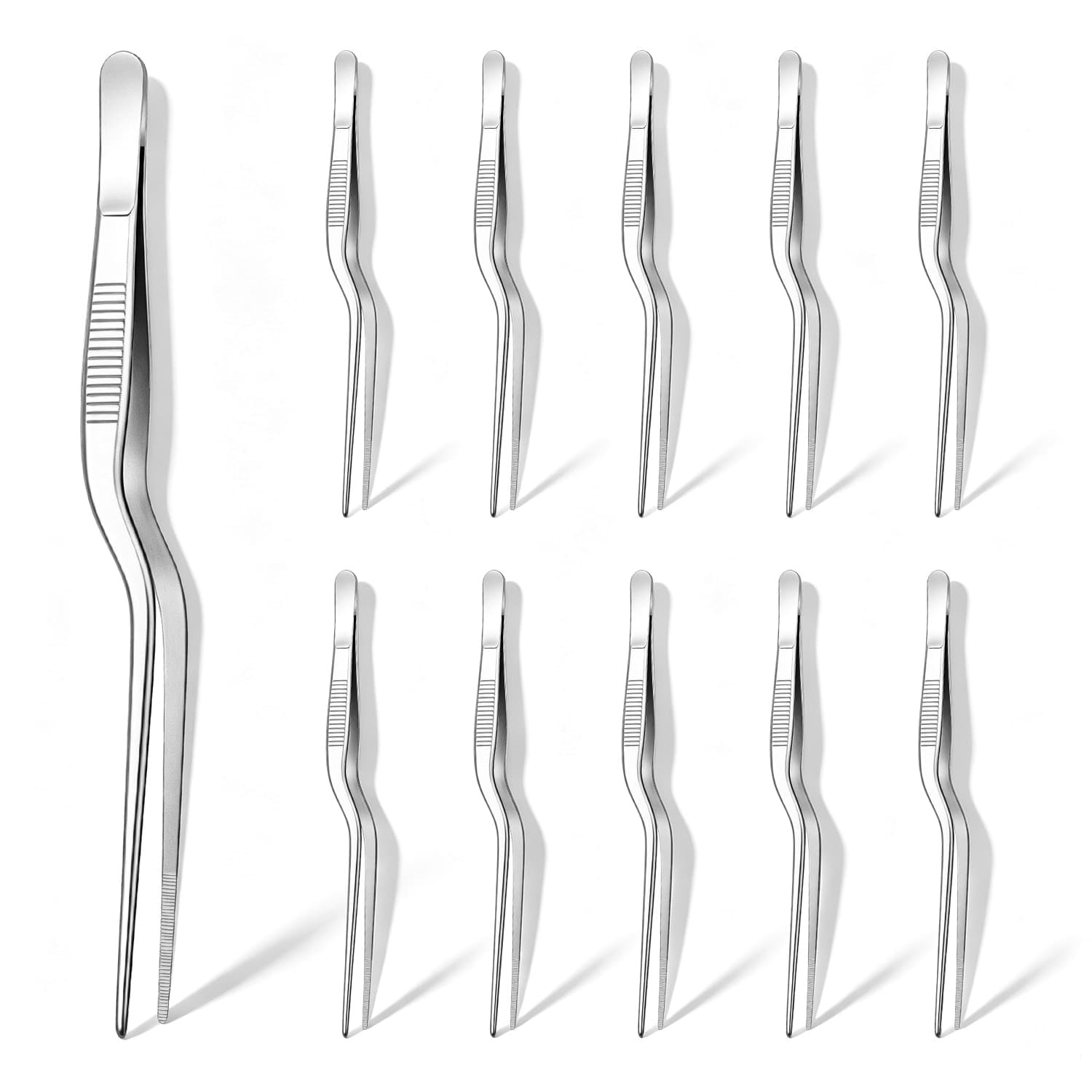
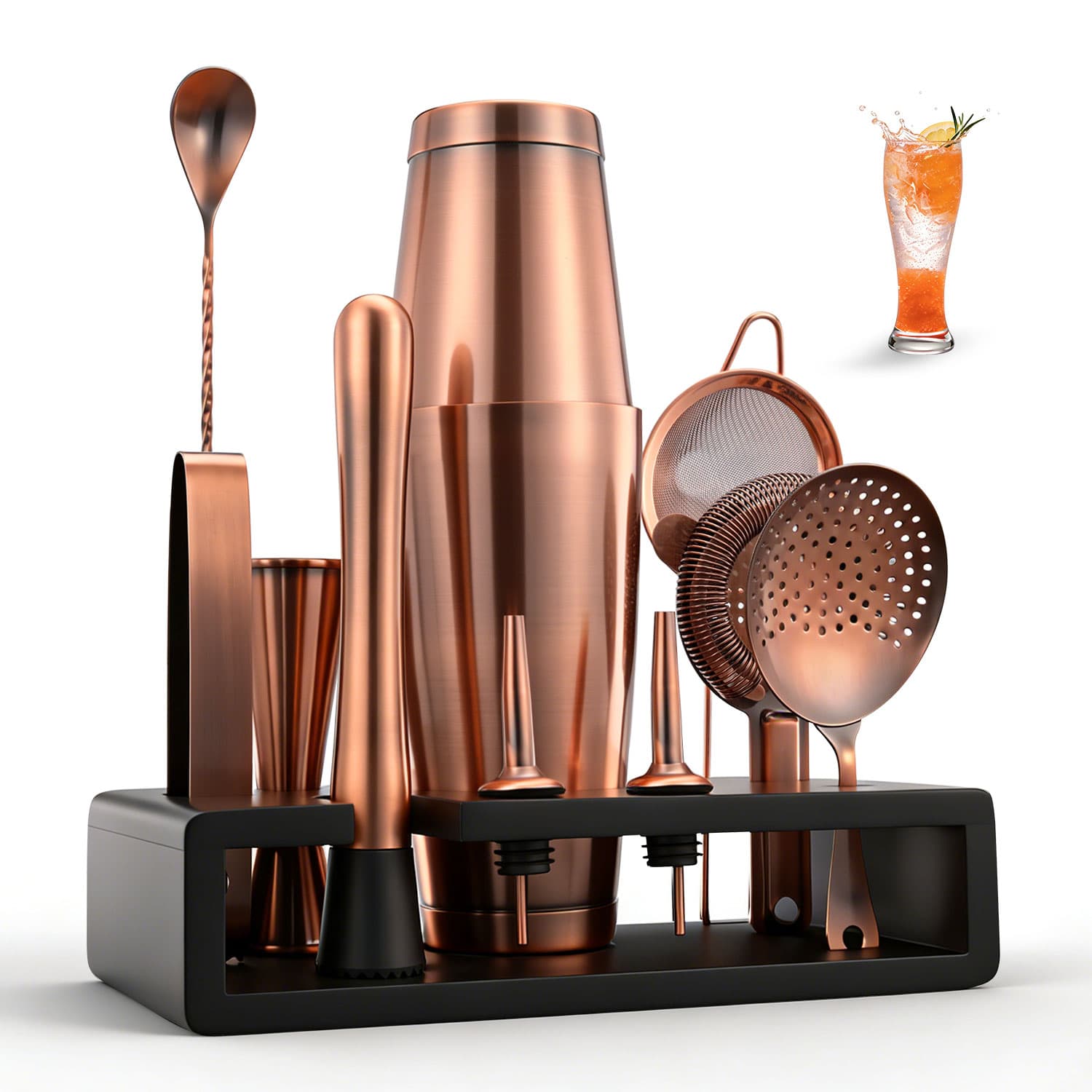
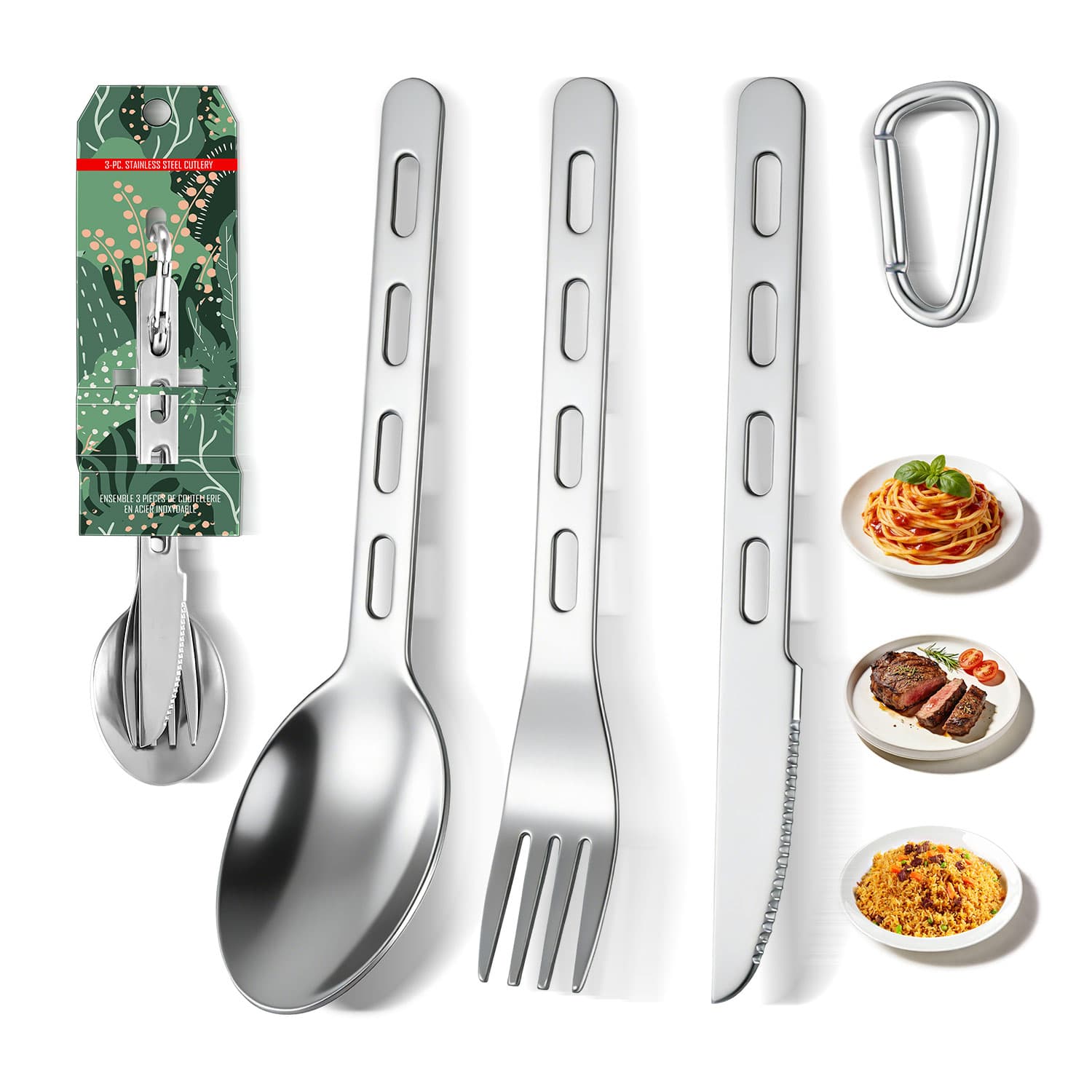
The product catalog also includes examples such as stainless steel stemware, Moscow Mule mugs, reusable stainless steel straws, corkscrews, cocktail tools, food tweezers, cheese graters, measuring spoons, cutlery sets, and knives.
For a buyer, a broad product range can make it easier to assess whether one manufacturing partner can support a wider assortment. It can also help a brand maintain a consistent approach to packaging, product information, finish selection, and quality expectations across multiple SKUs.
However, product breadth should always be confirmed against the actual factory scope and the specific production requirements of the project. A supplier listing many categories does not remove the need to approve samples and product-specific documentation.
The Role of OEM and Private Label in Kitchenware
OEM and private-label manufacturing allow buyers to create a product offer that is more closely aligned with their own brand, market, and sales channel. The level of customization may range from a logo on an existing item to a new product developed from a drawing or sample.
The Unitedpeople website identifies several customization options:
- Custom logo engraving.
- Private-label branding.
- Custom packaging.
- Product customization.
- Product development based on drawings, samples, or specifications.
This flexibility can be useful for different types of buyers. A retailer may need packaging that matches an existing shelf presentation. An e-commerce brand may need a private-label product line with consistent visual identity. A hospitality distributor may need specific dimensions, finishes, or packaging quantities for a commercial customer.
The important point is to define the project before requesting a final quotation. A complete OEM brief should identify the product, material, dimensions, finish, logo method, packaging, target market, estimated quantity, and required documentation.
Quality Management Should Be Part of the Sourcing Decision
Quality management is not limited to checking the finished carton before shipment. It should connect the approved specification with the material, production process, finished product, and packaging.
Unitedpeople’s website states that its manufacturing process includes product R&D, precision tooling, quality inspection, and global logistics. Its certifications page describes a quality system that supports production, inspections, documentation, and customer service, and identifies ISO 9001:2015 as its quality management system certification.
For a B2B buyer, useful quality questions include:
- How is the approved sample recorded before mass production?
- Which product dimensions and material specifications are checked?
- How are surface defects, sharp edges, welds, plating, and finish variation handled?
- Are inspections carried out during production as well as before shipment?
- How are packaging specifications checked?
- What happens if the production result does not match the approved sample?
These questions help move the discussion from general quality claims to project-specific acceptance criteria.
For material decisions, buyers should also name the required grade rather than using a broad description such as “premium stainless steel.” For example, a project may need to distinguish between 304 stainless steel and 201 stainless steel depending on the product, contact conditions, finish, and target market.
Compliance Documentation Must Match the Product
A certification name alone does not prove that every product is suitable for every market or use. Buyers should ask which document applies to the selected product, material, construction, and destination market.
Unitedpeople’s certifications and compliance page lists ISO 9001:2015, FDA, CE, LFGB, BSCI, REACH, and FCM-related support. The page also explains that documentation and requirements depend on the product category and market requirements.
That distinction is important for international sourcing. A buyer should clarify:
- Which parts of the product contact food or beverages.
- Which materials, coatings, plastics, adhesives, or decorative finishes are included.
- Which market the product will enter.
- Which test reports or certificates are available for the specific product.
- Whether the documents refer to the same material, construction, and production batch.
- Whether packaging and labeling requirements are included in the project brief.
For a new OEM project, compliance should be discussed during product development rather than after mass production. Early clarification can reduce the risk of redesigning the product or packaging later.
How Buyers Should Evaluate an OEM Kitchenware Manufacturer
A practical evaluation should combine factory capability, product fit, documentation, and communication. The following process can help buyers structure an initial review.
1. Confirm the Manufacturing Scope
Start with the product categories and the exact items required. Ask whether the supplier manufactures the product directly and which parts of the process are handled in-house or through approved partners.
2. Match the Product to the Intended Use
Define whether the item is intended for retail, hospitality, restaurant, catering, bar, food preparation, or another application. Use conditions affect the required material, finish, durability, and documentation.
3. Prepare a Complete OEM Brief
Include the drawing or sample, dimensions, material, finish, logo, packaging, estimated quantity, target market, and quality requirements. A more complete brief allows the supplier to respond with fewer assumptions.
4. Request Product-Specific Documents
Ask for the documents relevant to the selected product and market. Do not assume that a document for one product automatically covers another item with different materials or construction.
5. Approve Samples Before Mass Production
The approved sample should become the reference for dimensions, workmanship, finish, logo placement, packaging, and other acceptance criteria.
6. Clarify Commercial and Export Requirements
Confirm MOQ, quotation terms, sample arrangements, production timing, packaging, and the preferred shipping term. Unitedpeople’s website identifies FOB, CIF, and DDP as flexible terms that can be discussed with buyers.
7. Keep the Specification and Documents Together
Maintain one project file containing the quotation, approved sample record, specifications, inspection requirements, packaging approval, and compliance documents. This gives both sides a clearer reference during production.
Unitedpeople’s Manufacturing Profile
The following information is published on the Unitedpeople website and can help buyers understand the company’s stated manufacturing profile:
Website information | Published detail |
|---|---|
Company name used on the website | Unitedpeople |
Founded | 2014 |
Location | Yangjiang, Guangdong, China |
Factory size | 4,000㎡ |
Employees | 40+ |
Combined team experience | 30+ years |
Product SKUs | 200+ |
B2B clients | 1,200+ |
Countries served | 50+ |
Manufacturing scope | R&D, production, quality inspection, and export support |
These figures describe the company information presented on its website. Buyers should request current, product-specific, and order-specific evidence when evaluating a project.
Frequently Asked Questions
What products does Unitedpeople manufacture?
Unitedpeople’s website presents kitchen utensils, cutlery and knives, flatware and dinnerware, bakeware, barware, kitchen gadgets, measuring tools, and related kitchen accessories.
Does Unitedpeople offer OEM and private-label kitchenware?
Yes. The website states that Unitedpeople offers OEM, ODM, private-label branding, logo engraving, custom packaging, and product customization. The final scope should be confirmed for the selected product and project.
Can buyers develop products from their own designs or samples?
The website states that products can be developed from drawings, samples, or specifications. Buyers should provide the available technical information and confirm feasibility before production.
Does Unitedpeople provide compliance documentation?
The website identifies documentation and compliance support including ISO 9001:2015, FDA, CE, LFGB, BSCI, REACH, and FCM-related information, depending on the product and market requirements. Buyers should request the documents relevant to their selected product.
What industries does Unitedpeople serve?
The industries page identifies hotels and resorts, restaurants and cafés, catering and event companies, bars and beverage services, foodservice distributors, and wholesalers. The home page also identifies importers, retailers, and e-commerce brands as customer groups.
How can a buyer request a quotation?
A buyer can send the product requirements, estimated quantity, customization details, and destination country through the contact page. The website asks buyers to provide these details so the team can prepare a suitable quotation.
Conclusion: Evaluate the Whole Sourcing Workflow
The main industry insight is simple: B2B kitchenware sourcing should be evaluated as a connected workflow rather than a single unit-price decision.
A suitable OEM manufacturing partner should be assessed by product fit, customization capability, quality management, compliance documentation, packaging support, export experience, and communication. Buyers should also confirm that the supplier’s published capabilities match the specific product and destination market under consideration.
Unitedpeople presents itself as a factory-direct kitchenware manufacturer integrating R&D, production, and export support. For importers, distributors, retailers, hospitality businesses, and private-label brands, the next step is to prepare a clear product brief and compare the proposed solution against the project’s actual requirements.
To review available product categories, visit the Unitedpeople product catalog. For OEM, ODM, private-label, or custom kitchenware requirements, contact the Unitedpeople sales team.
Share this article
Help others discover this insight.
Related Reading
View all articles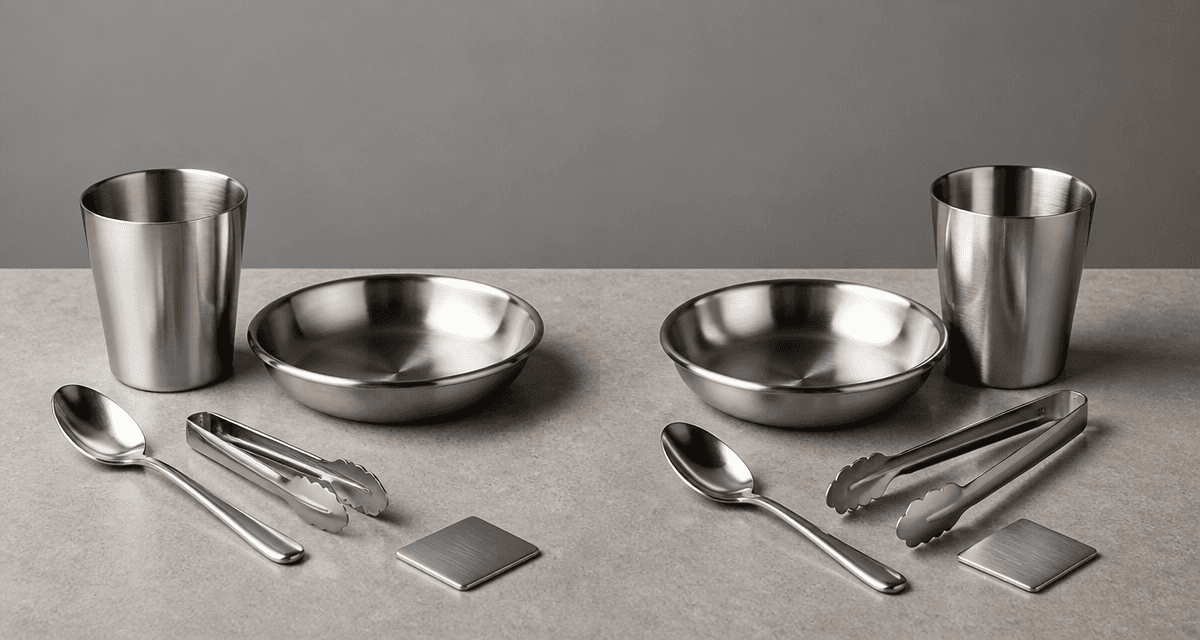
Oct 12, 2026
304 vs 201 Stainless Steel Kitchenware: A Buyer’s Guide
Choosing between 304 and 201 stainless steel affects corrosion resistance, product lifespan, compliance, and cost. This buyer’s guide explains where each grade fits, how to verify materials, and what to include in an OEM kitchenware specification.
Read more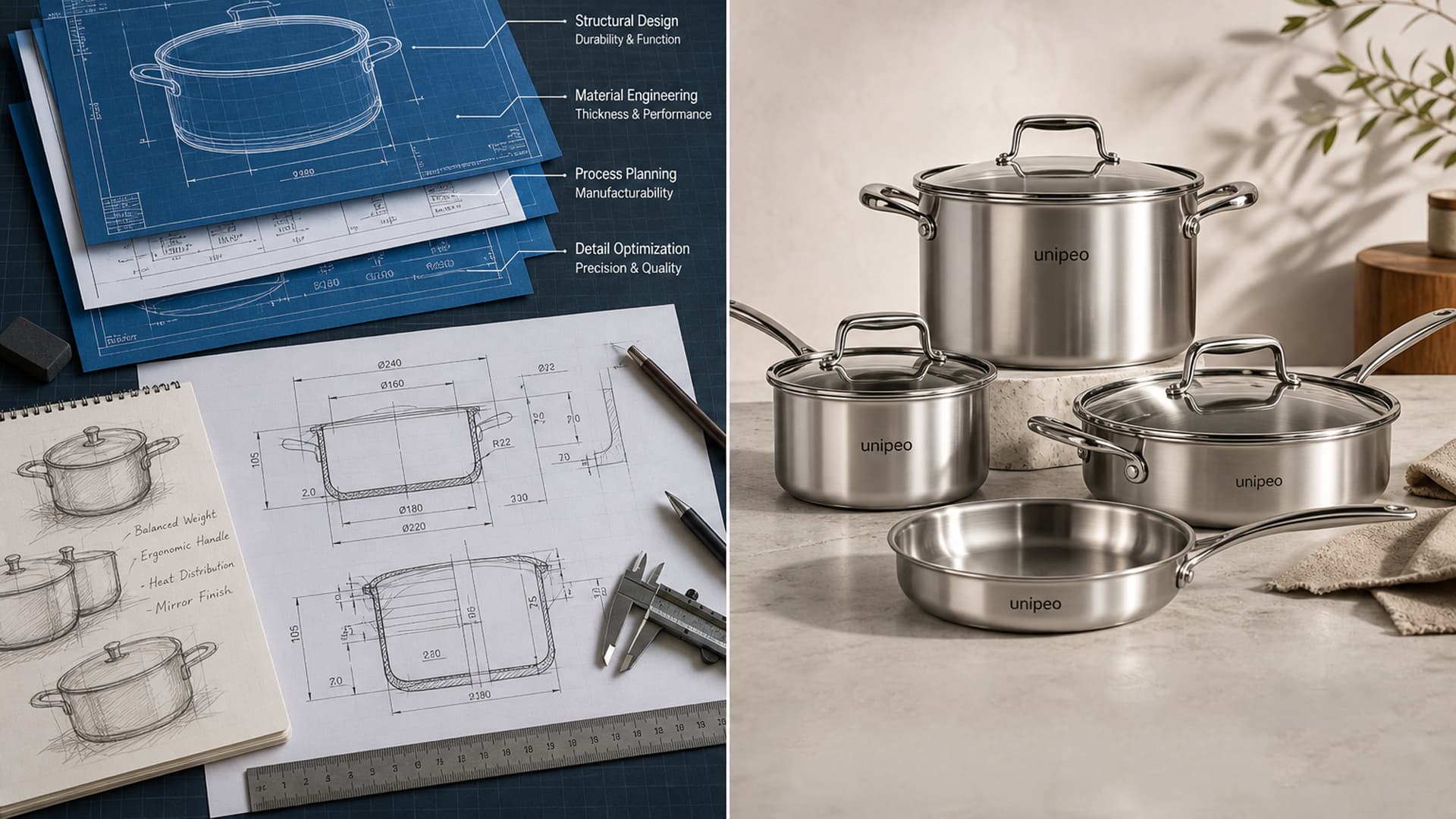
Sep 17, 2026
OEM vs. ODM Kitchenware: What's the Difference?
Launching or expanding a kitchenware brand involves more than choosing the right products. One of the most important decisions you'll make is choosing the right manufacturing model. Two terms you'll encounter frequently are OEM (Original Equipment Manufacturer) and ODM (Original Design Manufacturer). Although they sound similar, they offer very different approaches to product development, customization, investment, and branding.
Read more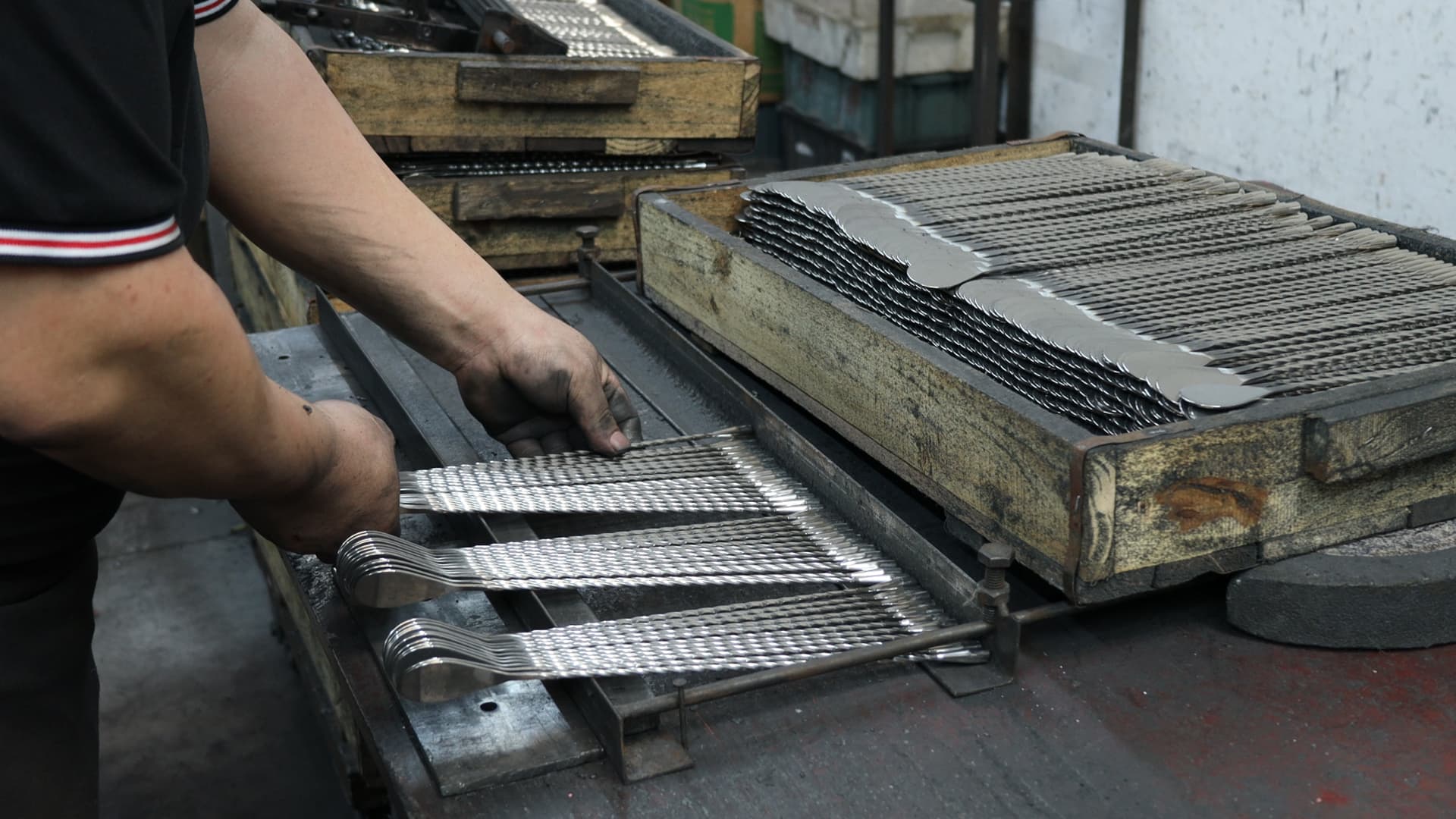
Sep 17, 2026
Factory-Direct vs. Trading Company: Which Is Better for Kitchenware Buyers?
When sourcing kitchenware for your business, one of the first decisions you'll face is whether to buy directly from a manufacturer or work through a trading company. While both options can help you source products, they differ significantly in pricing, customization, quality control, communication, and long-term value.
Read moreRelated Products
View all products